
Press Release
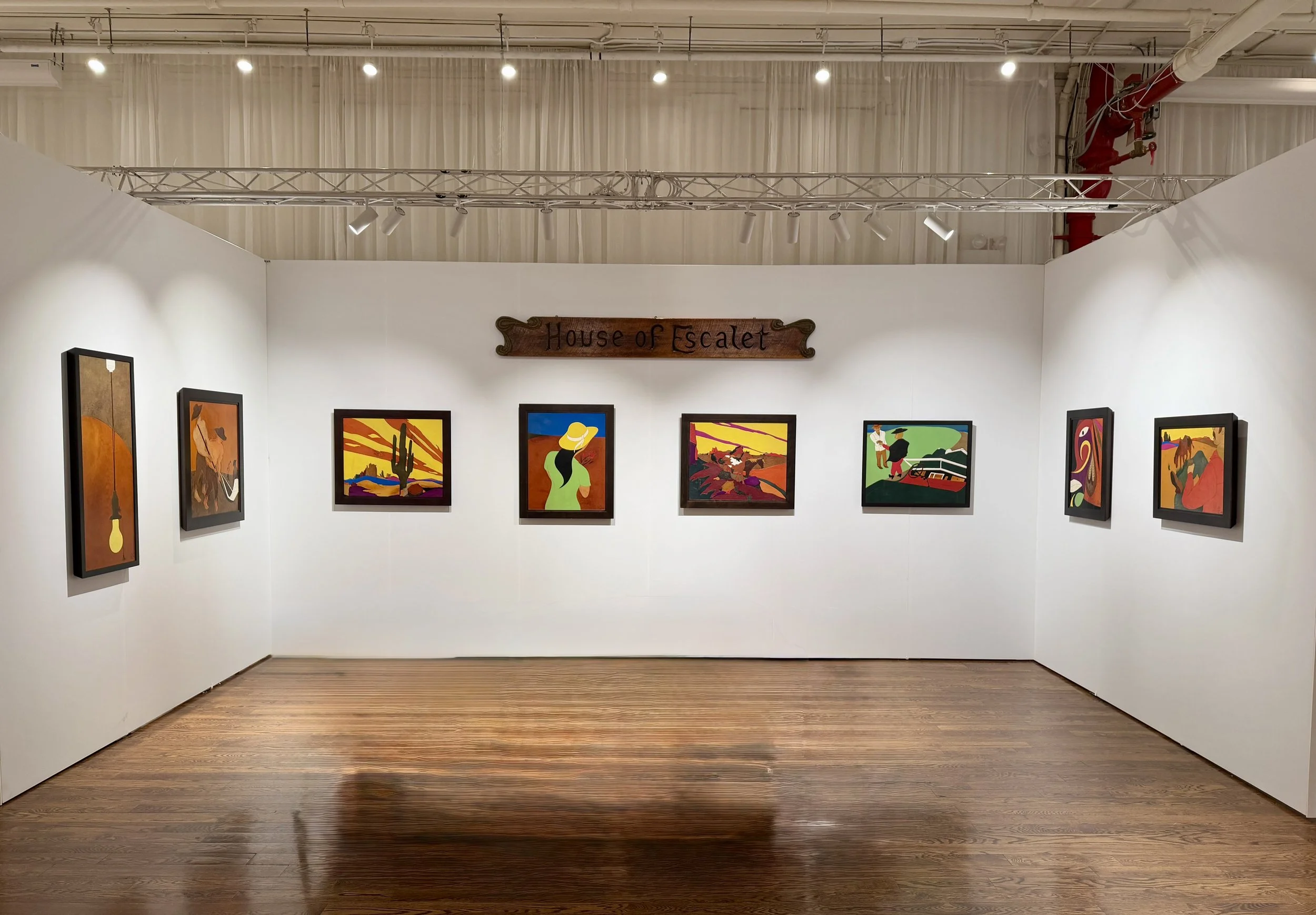
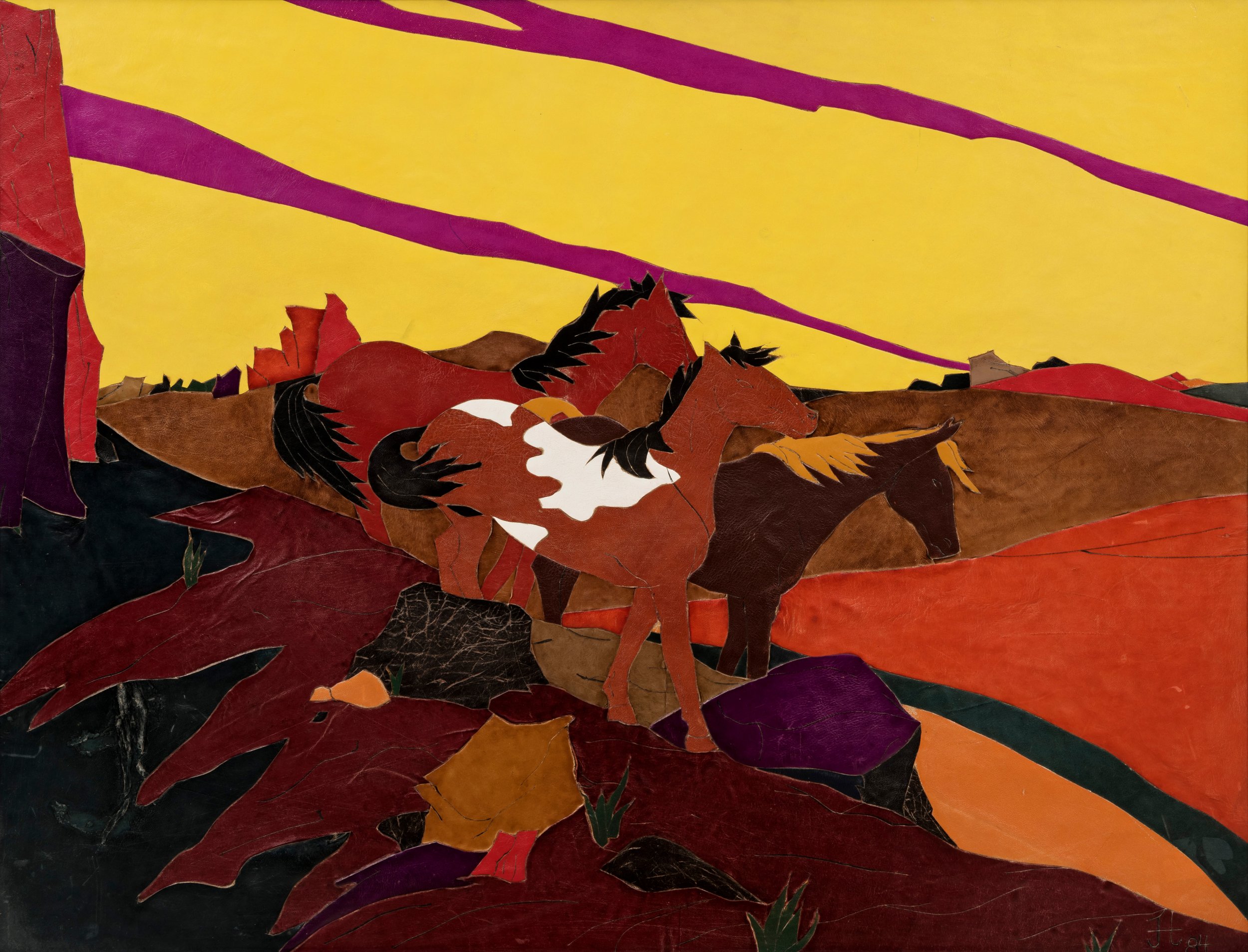
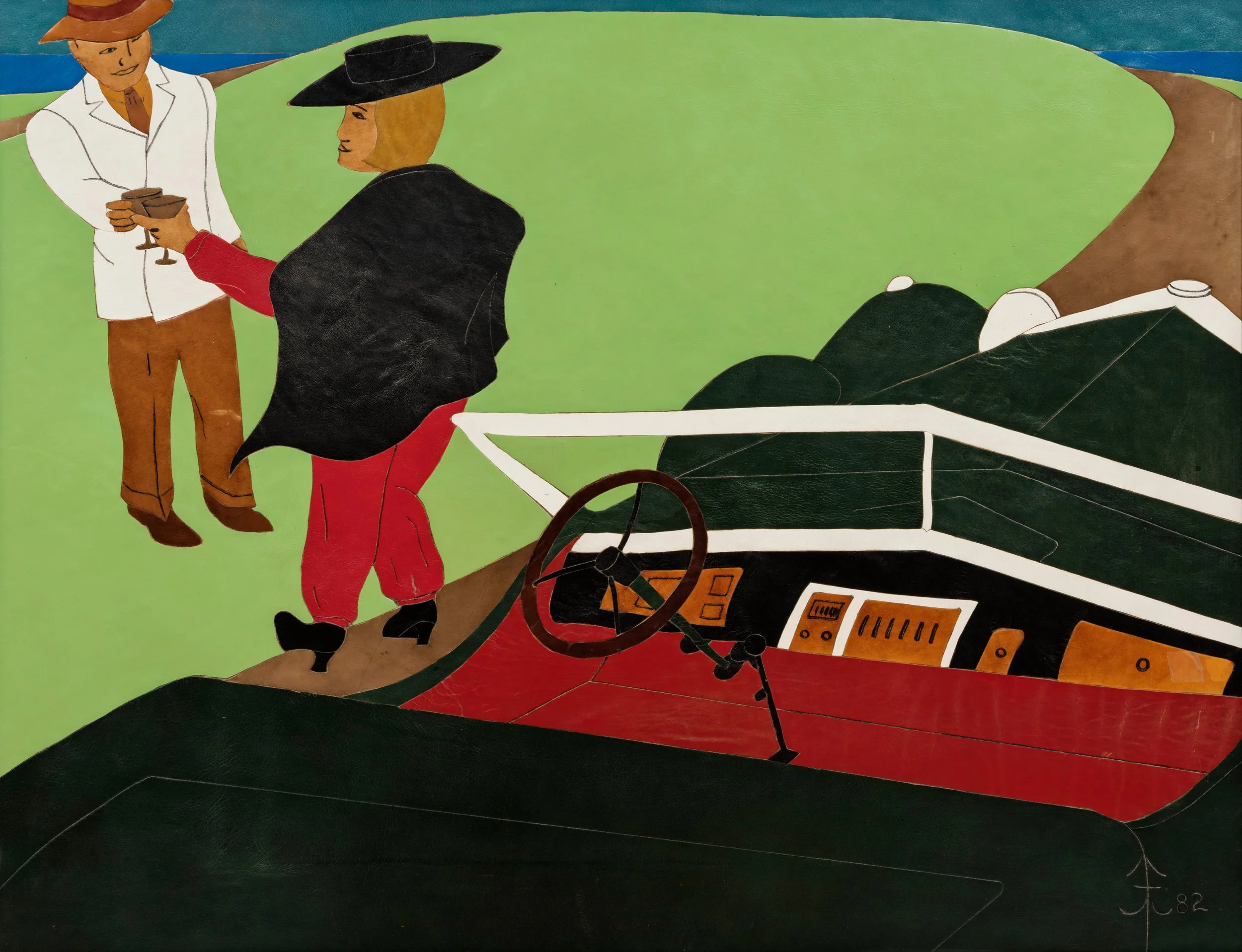
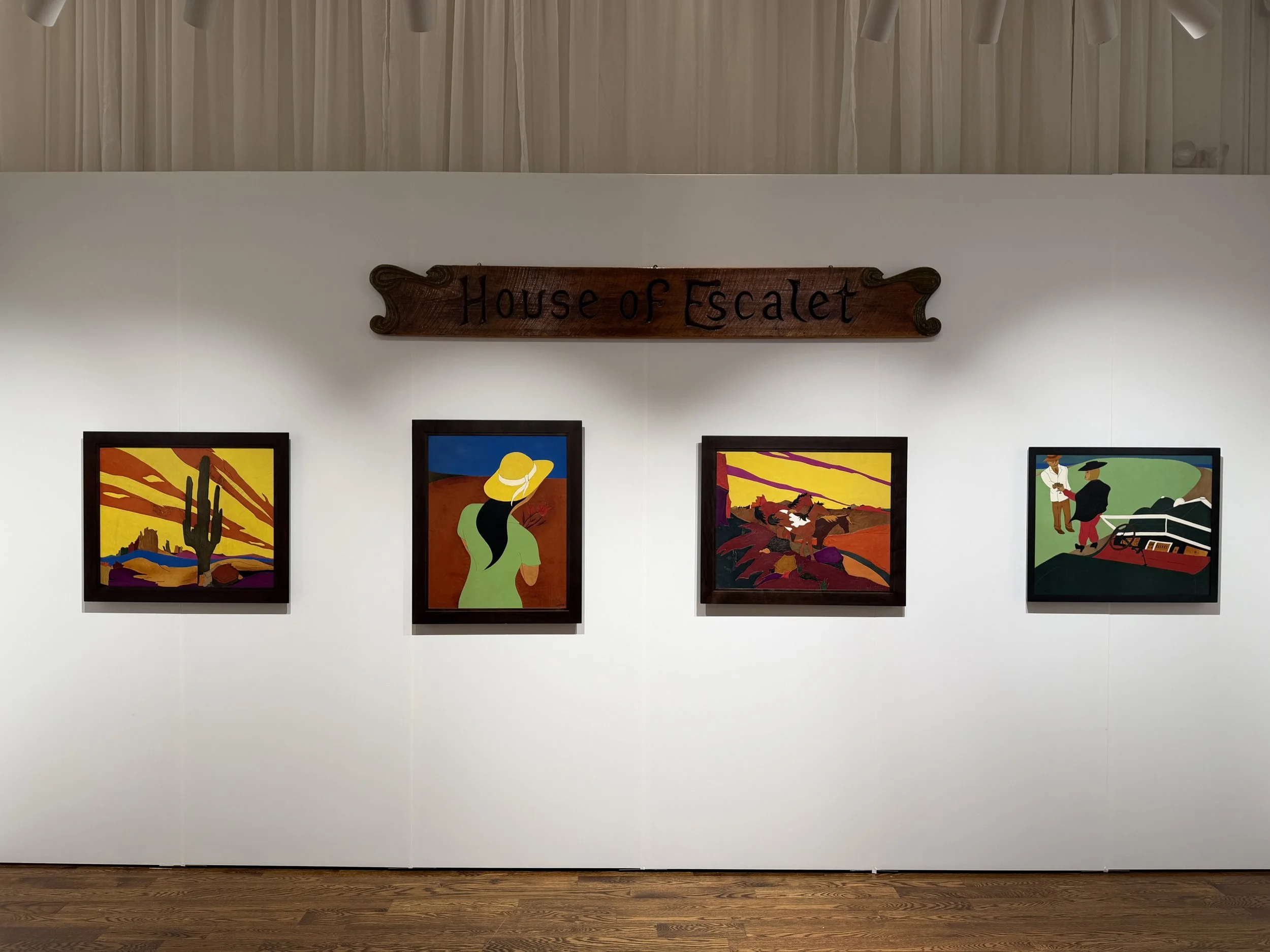
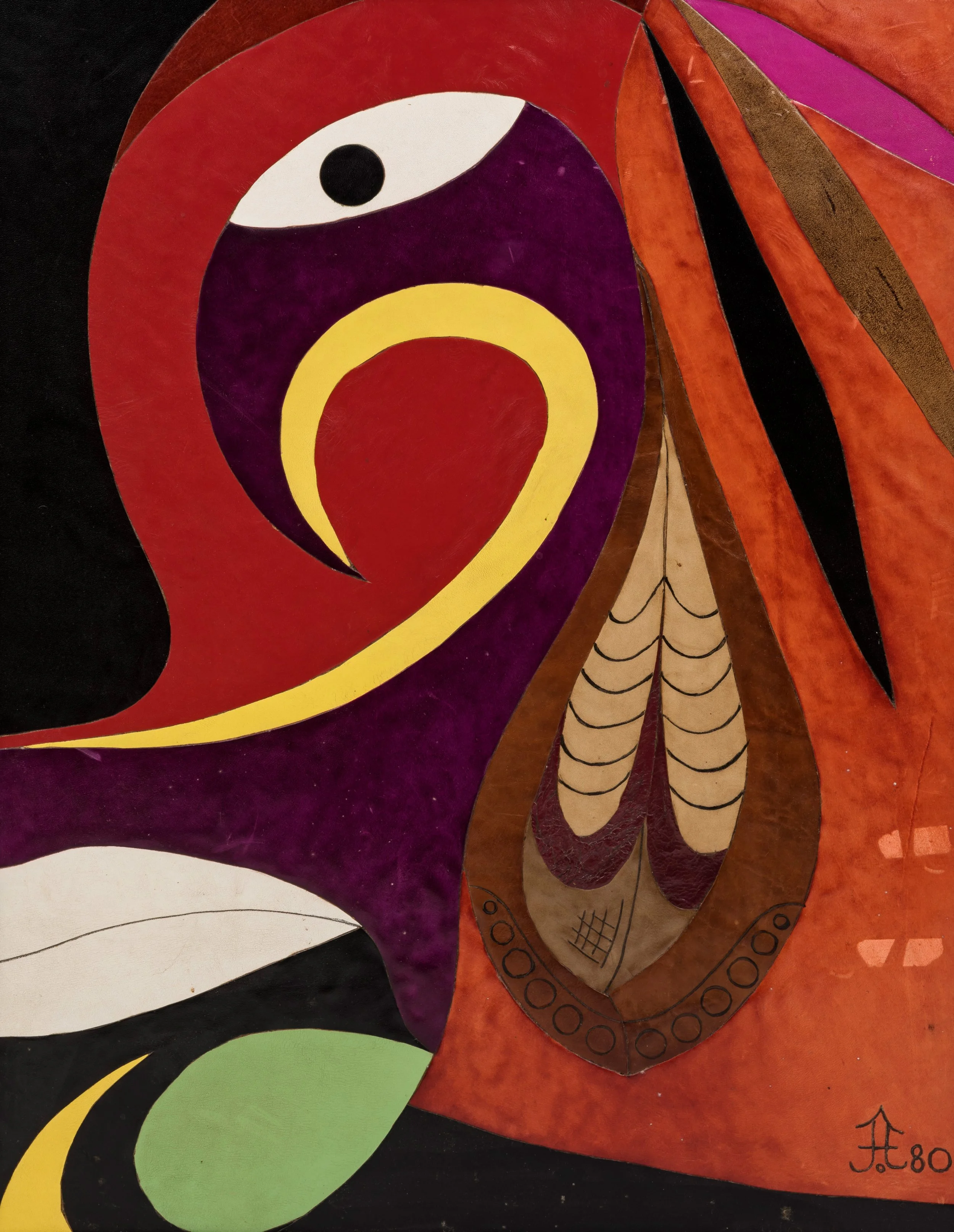
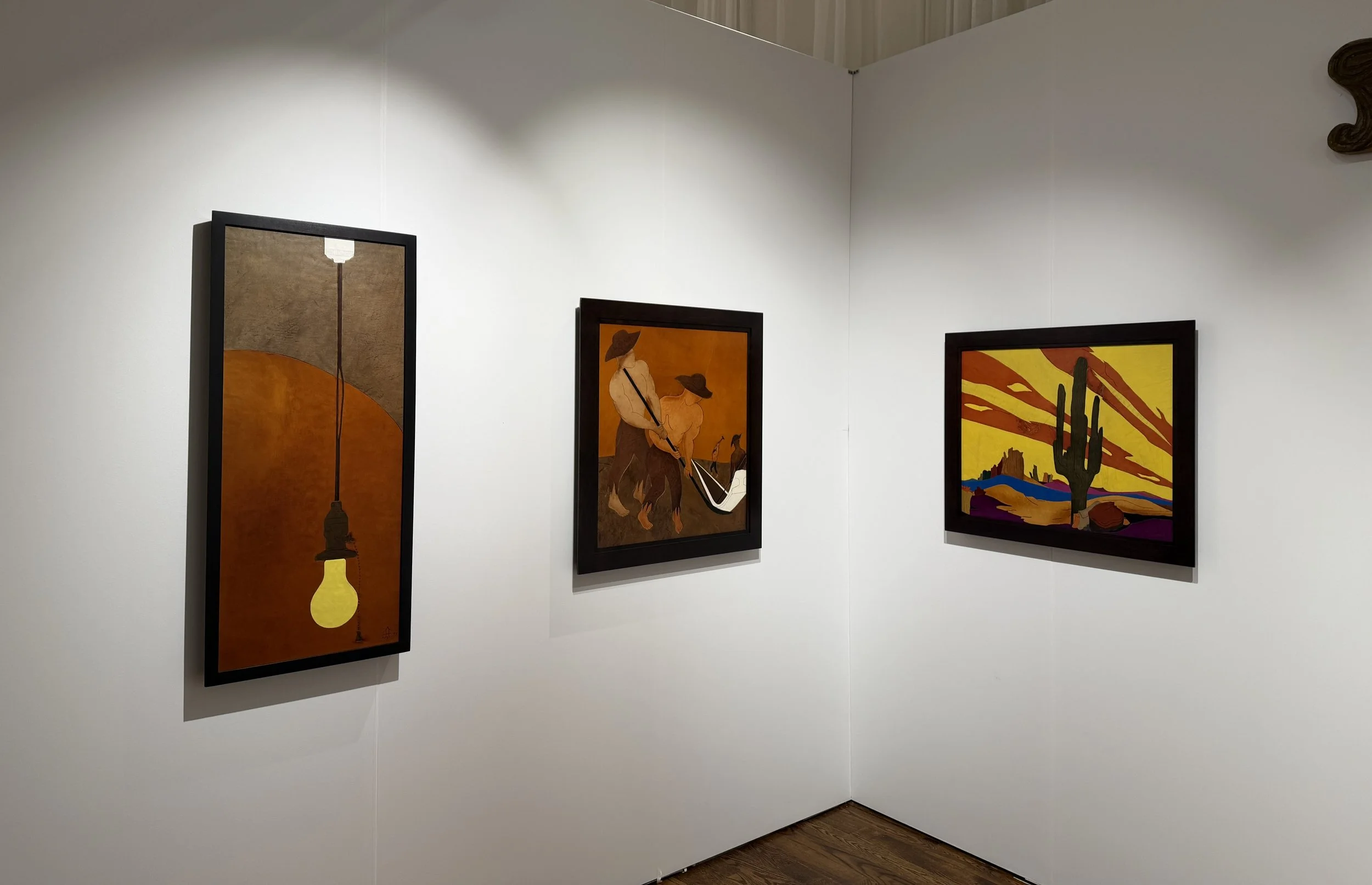
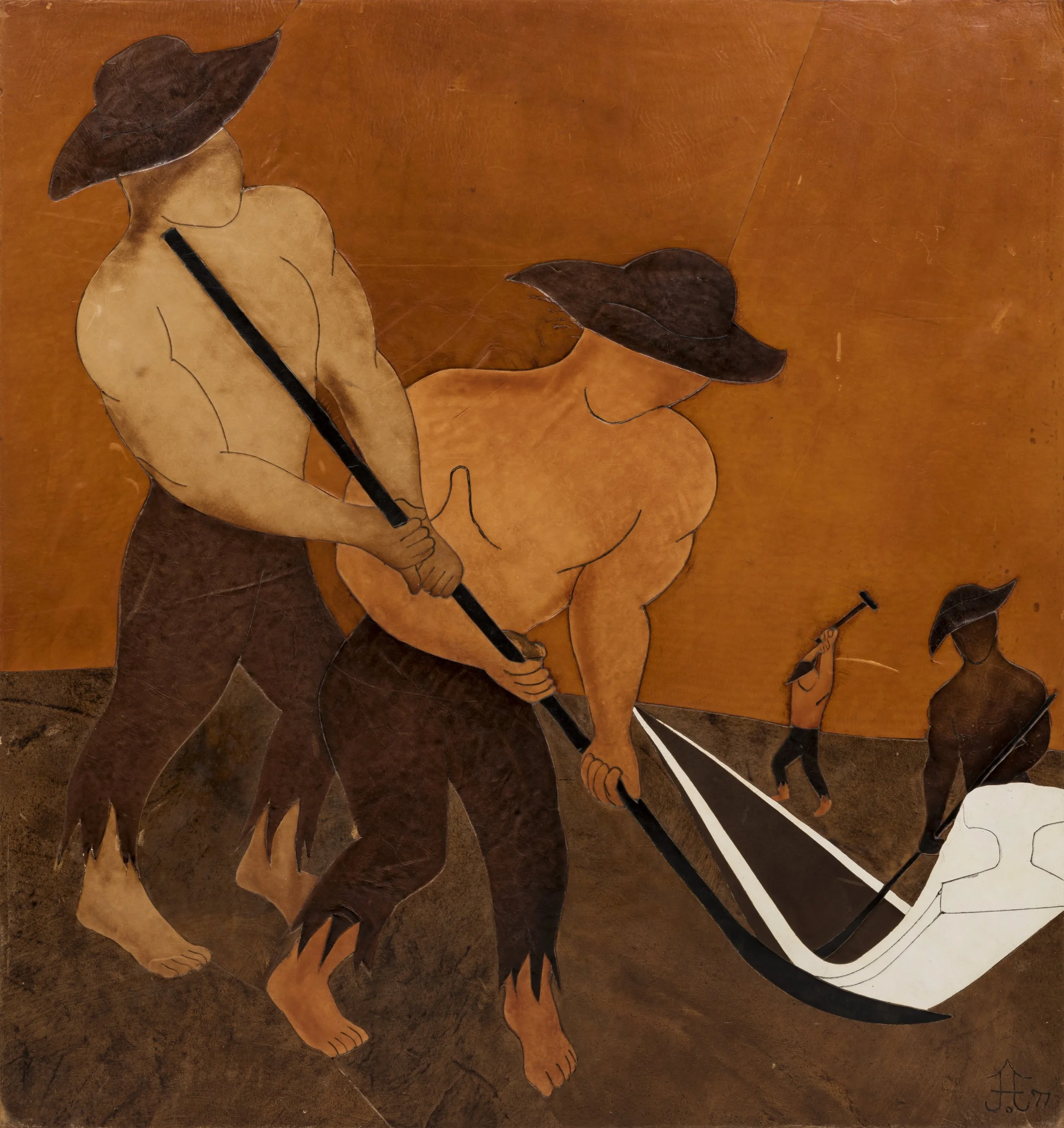
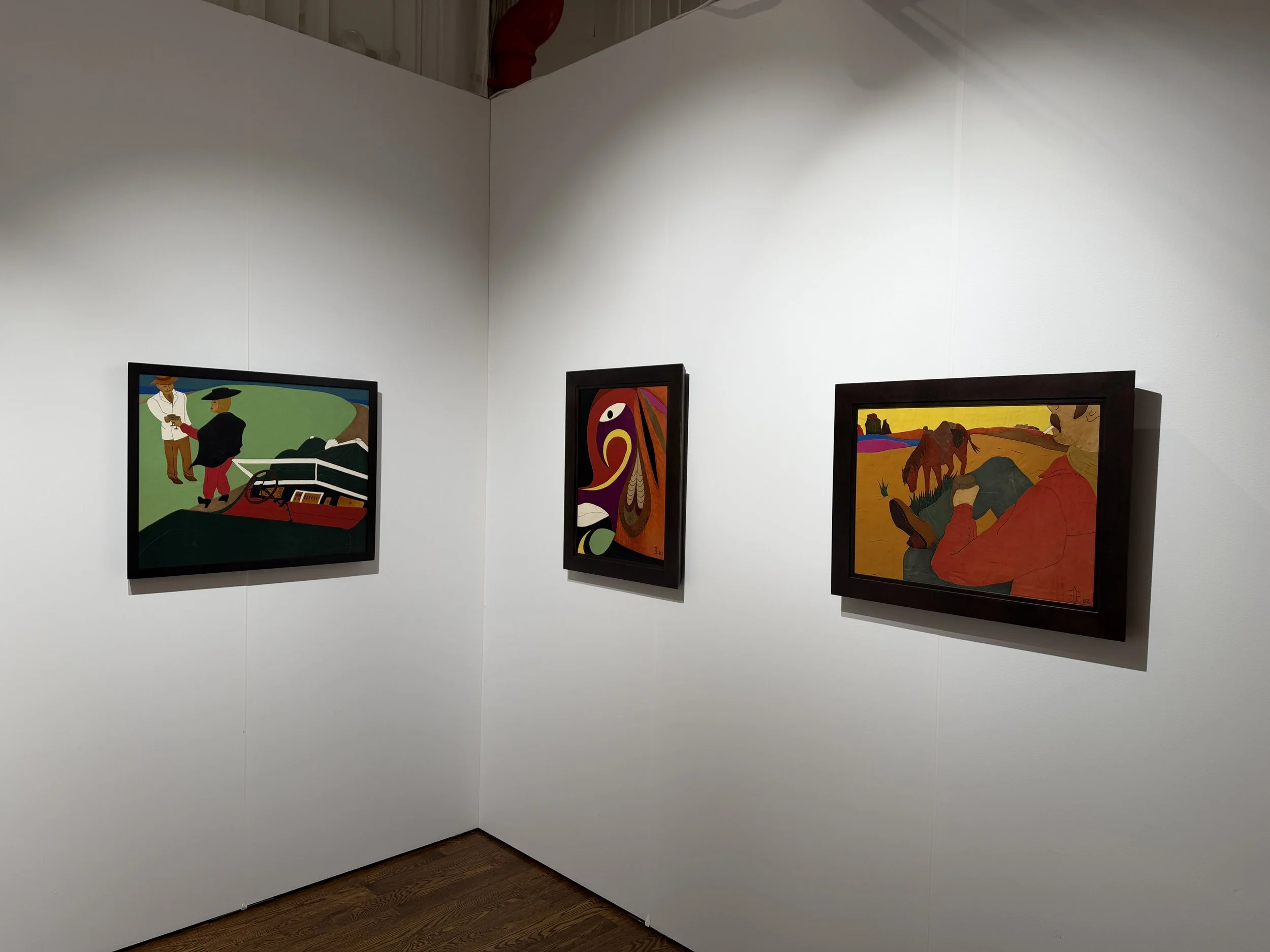
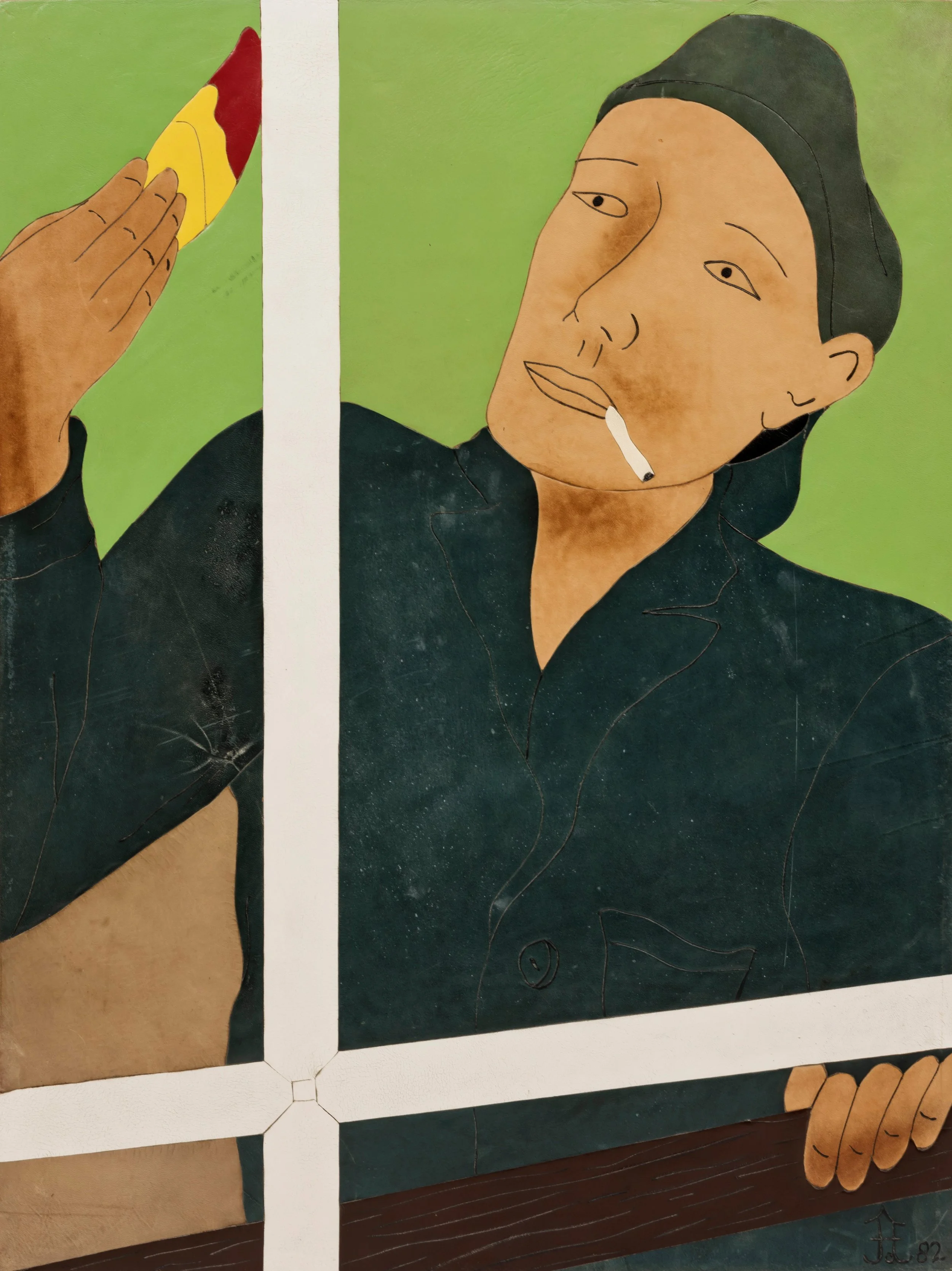
Puerto Rican-born Frank Diaz Escalet (1930–2012) was a self-taught craftsman whose pioneering techniques in leather allowed for an expansive new visual language that advocated for the lives of working-class communities in the United States. Debuting at the Outsider Art Fair, Concierge Estate Sale Services is pleased to present a selection of leather works from the 1970s-1980s. Curated by Stavroula Coulianidis, the booth examines scenes of Western landscape, nuanced human interactions, intimate interiors and resilience - subjects filtered through both Escalet’s imagination and artistic vision.
Rooted in his lived experience as a Puerto Rican immigrant, Escalet’s work extended well beyond the personal and stood as a steadfast acknowledgment to the humanity of immigrants and laborers. “If you notice the faces, each one is an individual character,” he remarked in an interview with the Massachusetts Daily Collegian in 1994. “There are no two alike. Or resemblance for that matter. Each person is a story in itself.”
Growing up in New York during the Great Depression, Escalet created comic books as a child to help support his family. After working various jobs and serving in the Air Force, he became a skilled craftsman, first working in copper (lamps), then silver (jewelry) and eventually leather - the medium in which founded his success. In the 1950s, he opened The House of Escalet, a leather-craft shop in Greenwich Village. His designs gained global recognition and led him to create garments for celebrities like The Rolling Stones, Pablo Casals and Aretha Franklin.
In 1971 Escalet sought a quieter life and moved his family to Maine, where he reestablished his business. In this new environment, demand for leather goods waned and by 1974 financial strain redirected him toward inlaid leather canvases - works that would define the core of his artistic production. Conceptualized from what he described as a “bird’s-eye view of the world,” the work portrayed his personal experiences growing up in Spanish Harlem during the Jazz era, the dreams and hardships of ironworkers, Latin American immigrants, domestic workers and couples at leisure. While inspired by Maine’s natural landscape, Escalet endured profound loss with the death of his only child, Danny, in 1986. In the years that followed, he devoted himself fully to his artistic practice.
Though vibrant with color and rhythm, Escalet’s work extends beyond bold perspectives - as fundamentally a storyteller. He depicted the bittersweet realities of poverty, the resilience of ordinary people and the quiet poetry of daily life. Escalet described his practice as “Impressionistic folk art.” His works reflected the human condition through personal vignettes drawn from an imaginative archive shaped by his upbringing in Puerto Rico and New York.
Although underrecognized during his lifetime, Escalet’s work traveled to several countries and museums behind the Former Iron Curtain in a World Peace Art Tour in 1990. At the age of 64, his work was featured in the collections of Jacques Cousteau and other famous individuals. He was commissioned by Pablo Casal’s to design his cello case and by the Museum of Modern Art to create covers for their stone-slab seats in the sculpture garden. His works have been on exhibit at the National Gallery of Art and Smithsonian Institution in Washington, DC.